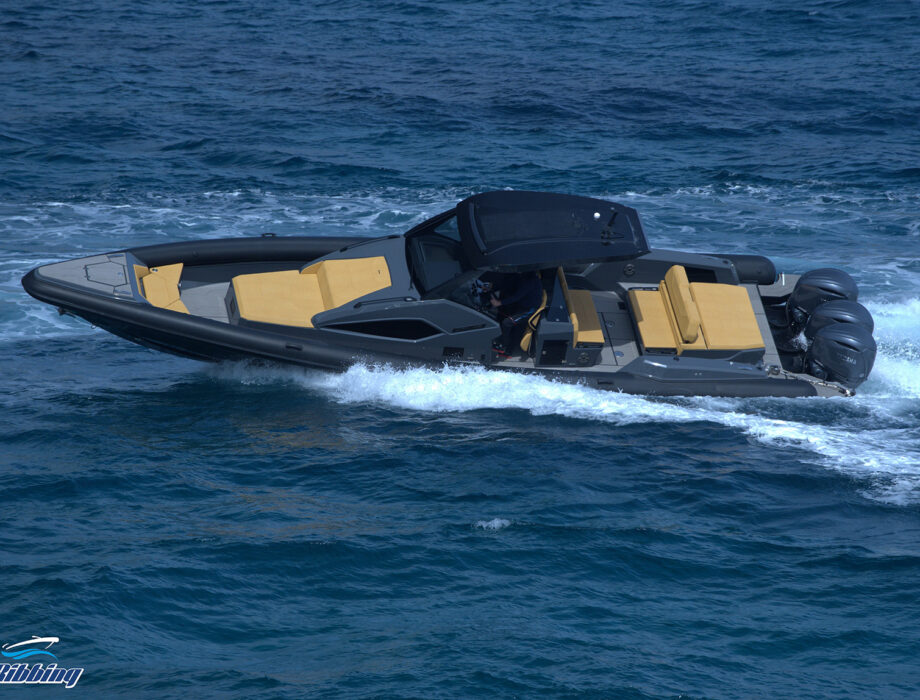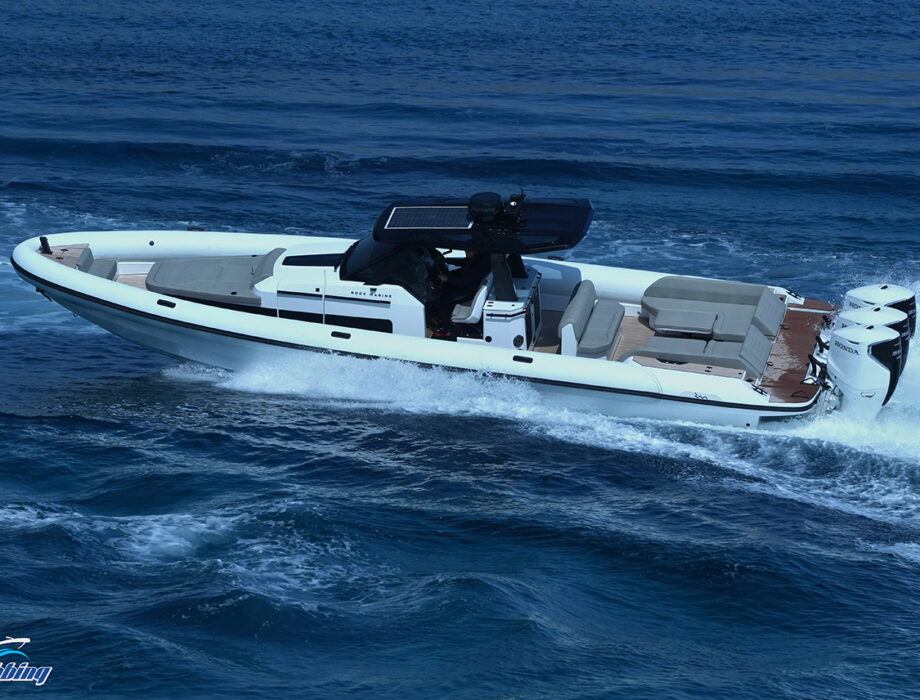
Seafighter SFR 42 – Triple V10 Mercury 400R
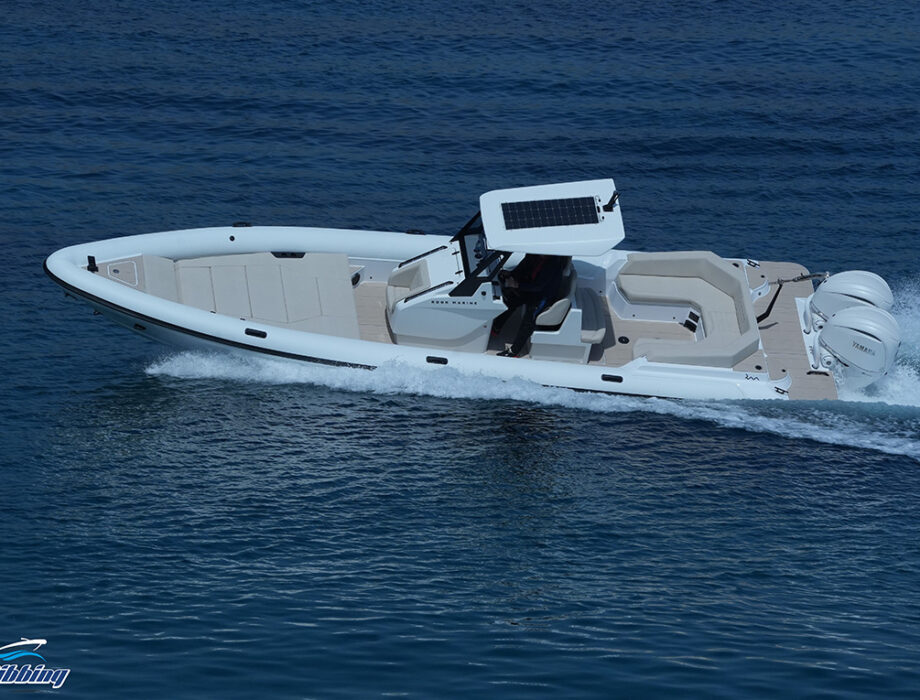
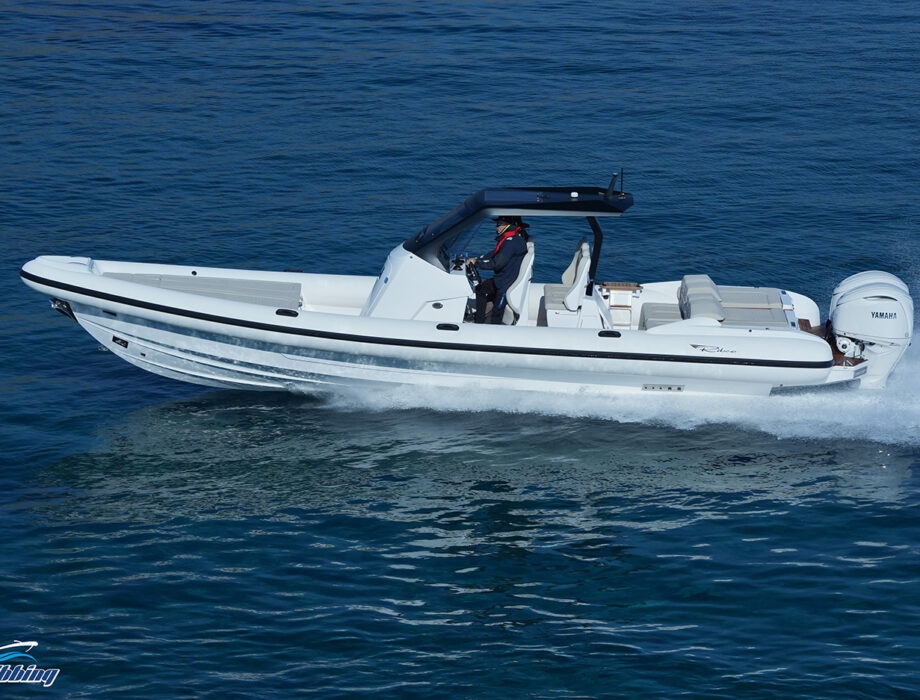
ROCK 36 – Twin V6 300hp Yamaha
Seafighter SFR 42 – Triple V10 Mercury 400R
ROCK 36 – Twin V6 300hp Yamaha


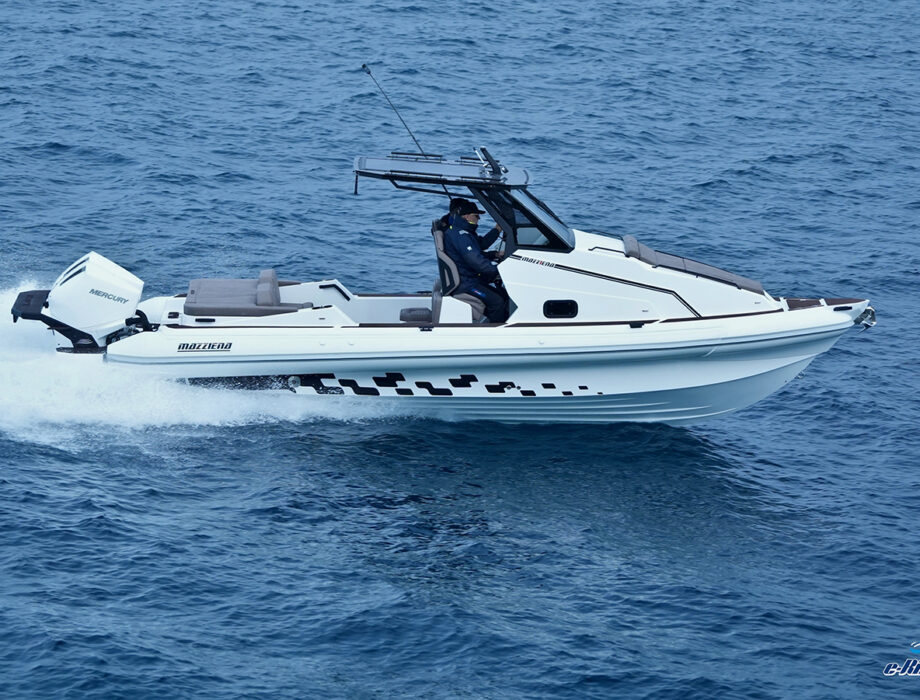
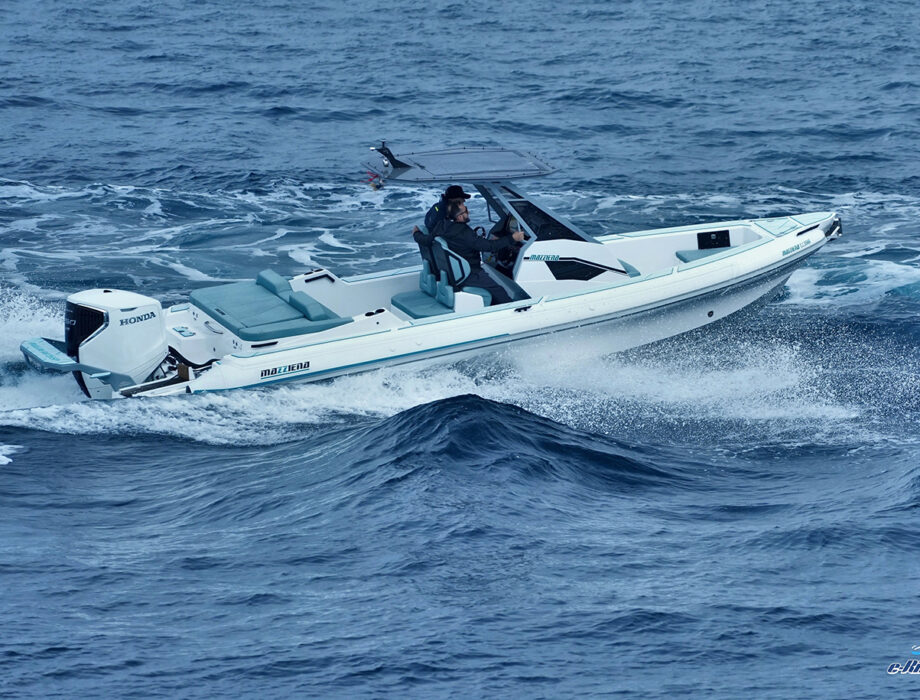
Mazziena 26CC – 2 x 200hp V6 Mercury
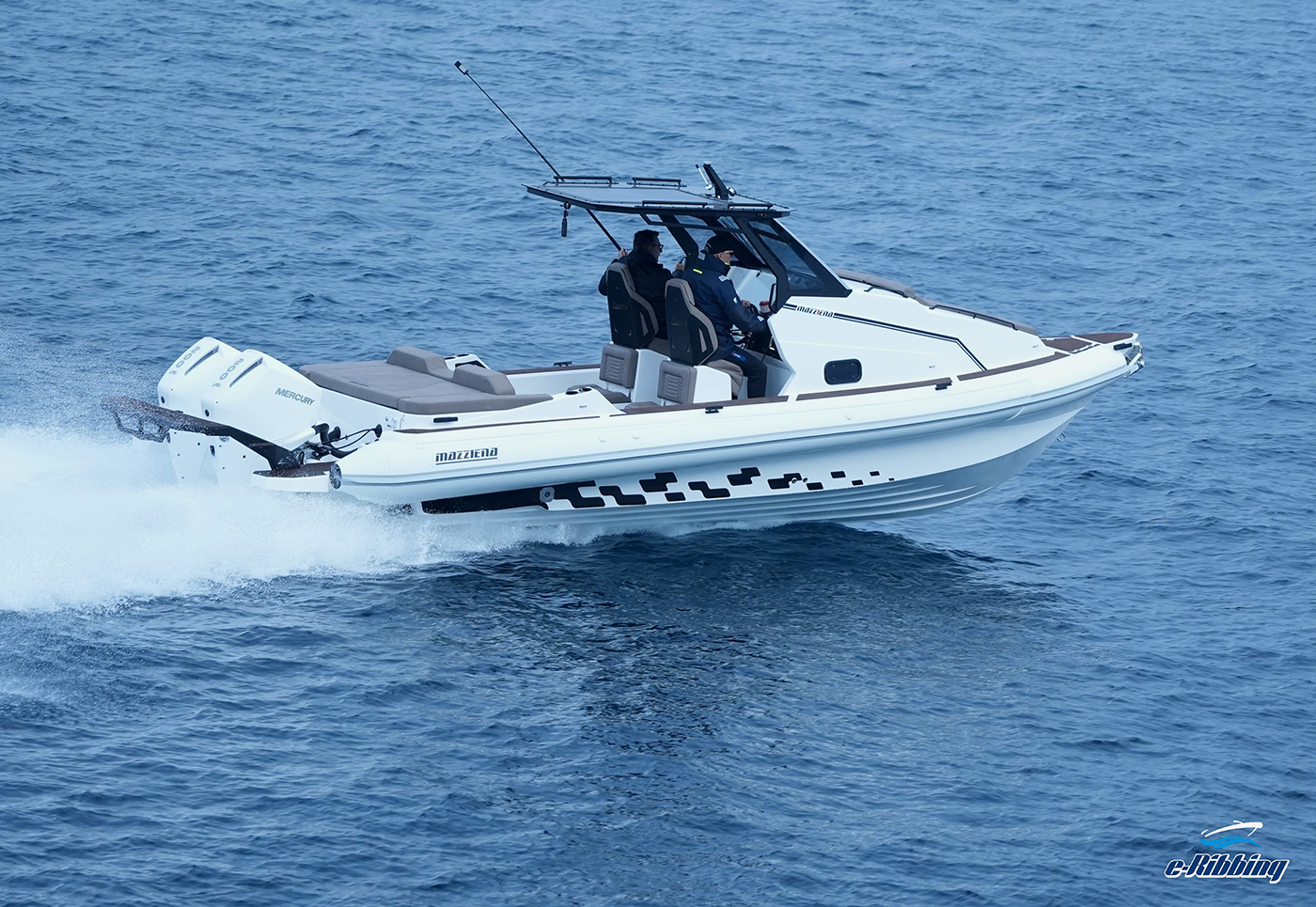
Having tested the Mazziena with a wide range of different engines mounted on its transom, we had already formed a fairly clear picture of how its hull behaves and how it responds to different power and propeller combinations. This time, however, the test had a special character, as for the first time the cabin version was equipped with twin Mercury 200hp outboard engines.

With no prior experience of this specific setup on this particular hull, we initially relied more on intuition. We chose to install two four-blade 17-inch Revolution propellers, believing they would provide better control, increased grip in the water and improved behaviour at mid-range rpm. With this configuration, we launched the boat and began our first test runs, full of expectations.
From the very first passes, however, it became evident that something was not working as we had anticipated. While the boat felt stable and predictable, cruising speeds did not reach the levels we knew this hull was capable of delivering. As engine rpm increased, the figures displayed on the GPS screen failed to keep pace with our expectations, while top speed stubbornly remained low, stuck at 43.5 knots.
We repeated the runs, checked trim, weight distribution and load, yet the result did not change substantially. At that point, it became clear that the issue lay neither with the hull nor with the engines, but with the way power was being transferred to the water. Propeller selection proved to be decisive.

We therefore decided not to waste any more time at sea and hauled the boat out. We installed two three-blade Enertia propellers measuring 14” x 19”, a clearly more aggressive choice, aimed at improved performance at higher rpm and maximising top speed. Shortly afterwards, the Mazziena was back in the water, ready for the second phase of the test.
The difference was noticeable almost immediately. From the very first metres of running, the boat felt noticeably more “free”. As rpm increased, the figures now began to align with our expectations. At WOT, the speedometer confirmed what we were already feeling physically: top speed had increased by approximately 5 knots, bringing the overall package to a completely different level of performance.
This experience confirmed in the clearest possible way just how critical the correct propeller choice is in a twin-outboard installation. The same boat, with the same engines and identical loads, was transformed simply by changing propellers. A valuable lesson—both in testing and in practice—that highlights the fact that numbers do indeed tell the truth, provided they are backed by proper setup and real-world experience at sea.
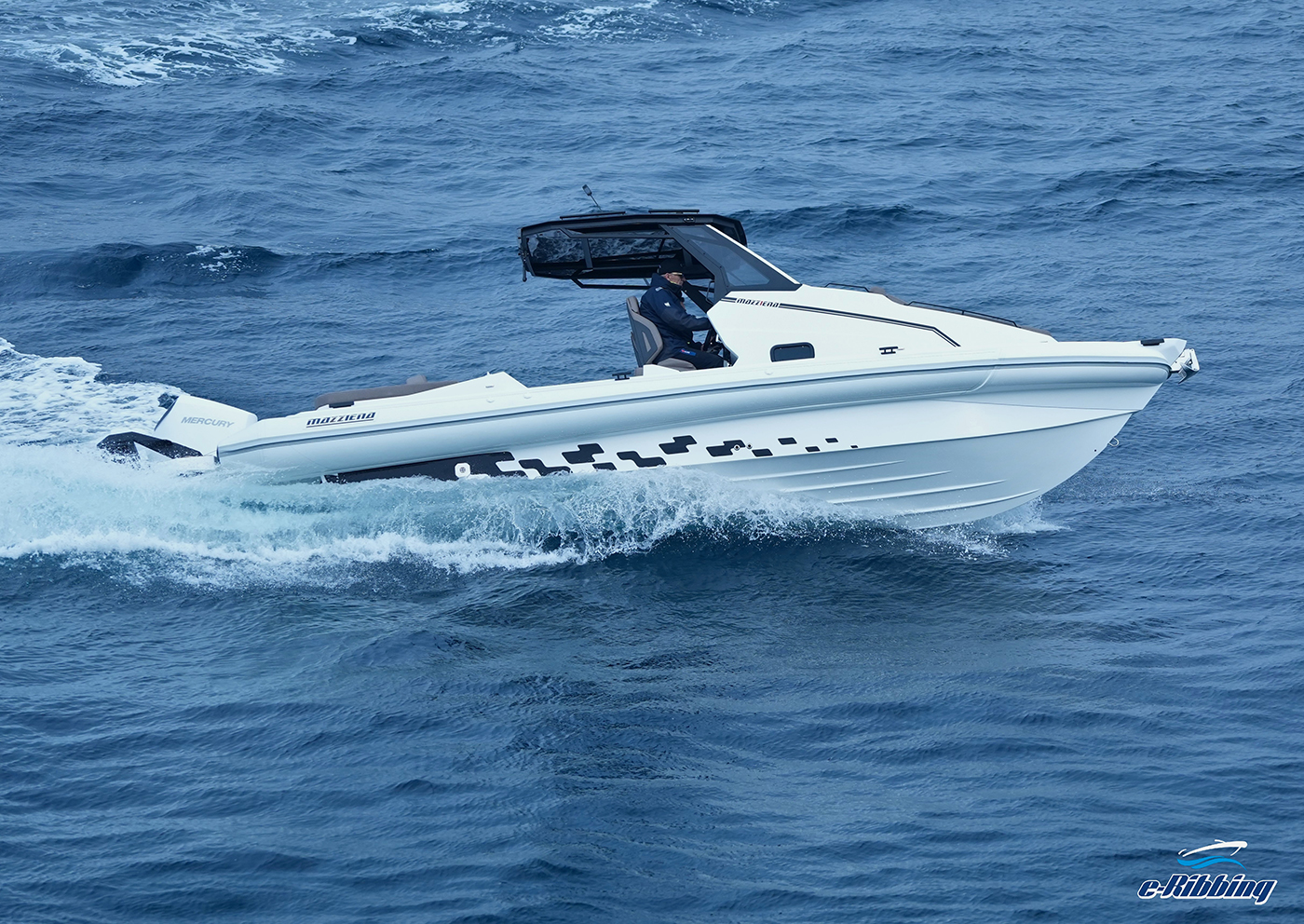
At 3,500 rpm, we were running at 26.5 knots, consuming 1.7 litres per nautical mile, while at 4,000 rpm we were cruising at 32.5 knots with consumption at 1.8 litres per mile. Indicatively, with the Revolution propellers we had recorded cruising speeds of 24 and 28 knots respectively—a difference that is far from negligible.
At 4,500 rpm, we were travelling at 37 knots with consumption rising to 2.1 litres per mile, while at 5,000 rpm we reached 42 knots, burning fuel at the same rate.
At WOT, the Mazziena 26CC recorded a top speed of 48.7 knots, with the engines reaching the maximum rpm limit recommended by the manufacturer.
Manufacturer:
Mazziena-ribs
Gerania Loutraki,
20300 Karpounari
Tel.: +30 27440 62703 / +30 693 728 2013
Email: info@mazziena-ribs.com